Generated Title: Seoul's High-Rise Gamble: Heritage vs. Housing Crisis
The Numbers Don't Lie…Or Do They?
Seoul is playing a high-stakes game of urban development. The Supreme Court's decision to allow taller construction near UNESCO World Heritage sites like Jongmyo Shrine is a gamble, a calculated bet that economic revitalization outweighs the risk of losing cultural prestige. On one side, you have Mayor Oh Se-hoon, eyeing re-election and promising much-needed housing. On the other, heritage officials warning of "grave threats" to Korea's cultural legacy and potential UNESCO backlash.
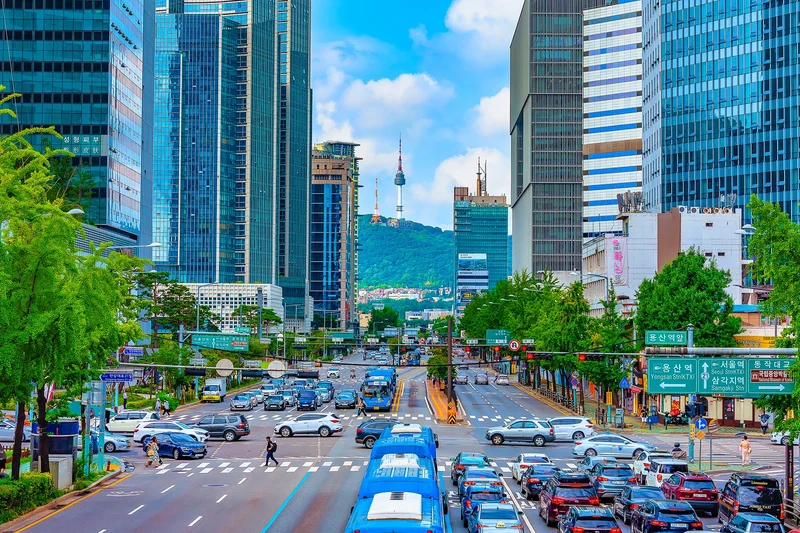
The core issue? A revised city ordinance permits taller buildings outside the 100-meter preservation zone, effectively sidelining the Korea Heritage Service (KHS) in development decisions. Seoul's government claims this will finally allow the Sewoon District 4 redevelopment to move forward, a project stalled for two decades. The plan includes skyscrapers reaching 142 meters (about 466 feet), drastically altering the skyline.
But let's dissect that "much-needed housing" claim. How much housing are we talking about, and at what cost? The article states the redevelopment has been stalled for 20 years. So, how many units have not been built in that time? What's the projected increase in housing units versus the potential hit to tourism revenue if UNESCO downgrades Jongmyo's status? These are the numbers Seoul isn't shouting from the rooftops. It's a classic case of selective data presentation.
The UNESCO Wildcard
The real threat isn't just aesthetic. It's financial. UNESCO's warning about "uncontrolled vertical development" carries weight. Losing World Heritage status isn't just a symbolic blow; it impacts tourism, investment, and national pride. Germany's Dresden Elbe Valley lost its status in 2009 due to a bridge. Is Seoul willing to risk a similar fate?
The KHS chief, Huh Min, is pulling no punches, saying the construction poses a "grave threat." Culture Minister Chae Hwi-young vows to block the development. They're even talking about amending the World Heritage Act. (A move that could trigger further legal battles, further delaying any actual construction).
Here's where my analysis suggests a deeper dive is needed: what are the specific criteria UNESCO uses to evaluate heritage sites? What metrics (visitor numbers, academic research, preservation efforts) are weighted most heavily? If Seoul can demonstrate a commitment to preserving Jongmyo's cultural value even with taller buildings nearby, perhaps they can mitigate the risk. This is more than just about height restrictions; it’s about demonstrating respect for cultural heritage in a tangible way.
I've looked at hundreds of these real estate filings and urban development proposals. The language is always the same: "revitalization," "economic growth," "meeting the needs of the community." But rarely do they quantify the opportunity cost—what's being sacrificed in the name of progress.
And this is the part of the report that I find genuinely puzzling: the article mentions Mayor Oh's desire to "showcase economic development as one of his core achievements." Okay, fair enough. But why is he focusing on this particular project, which is guaranteed to be controversial? Are there other, less risky, development opportunities available? What's the political calculus here? Perhaps the potential reward (re-election) outweighs the risk (UNESCO backlash).
The timeline is also critical. The local elections are next June. That gives Mayor Oh roughly six months to demonstrate tangible progress on the Sewoon District 4 project. But even if construction starts, will it be far enough along to sway voters? Or will the opposition seize on the UNESCO threat as a sign of reckless ambition? What Supreme Court's heritage ruling means for Seoul, Korea’s cultural legacy
Seoul's Playing a Dangerous Game
This isn't just about architecture; it's about priorities. Seoul is betting that new skyscrapers will generate more economic value than preserving its cultural heritage. It's a gamble, and the odds aren't entirely clear. While the city government touts revitalization and housing, the potential costs – a UNESCO downgrade, damage to cultural legacy – are harder to quantify but could be substantial. Ultimately, Seoul is making a very public bet on what its citizens value most: progress or preservation.